Your Dependable Home Builder for Quality Dwelling Enhancements
A reliable building professional plays an critical role in residential renovations. Their knowledge ensures work are finished with accuracy and attention. By emphasizing premium supplies and skilled workmanship, they improve both aesthetics and value. Clear dialogue and thorough preparation are essential for a smooth process. However, many property owners miss important considerations when choosing a contractor. Understanding what to emphasize can make all the difference in achieving a successful renovation. What should homeowners consider first?
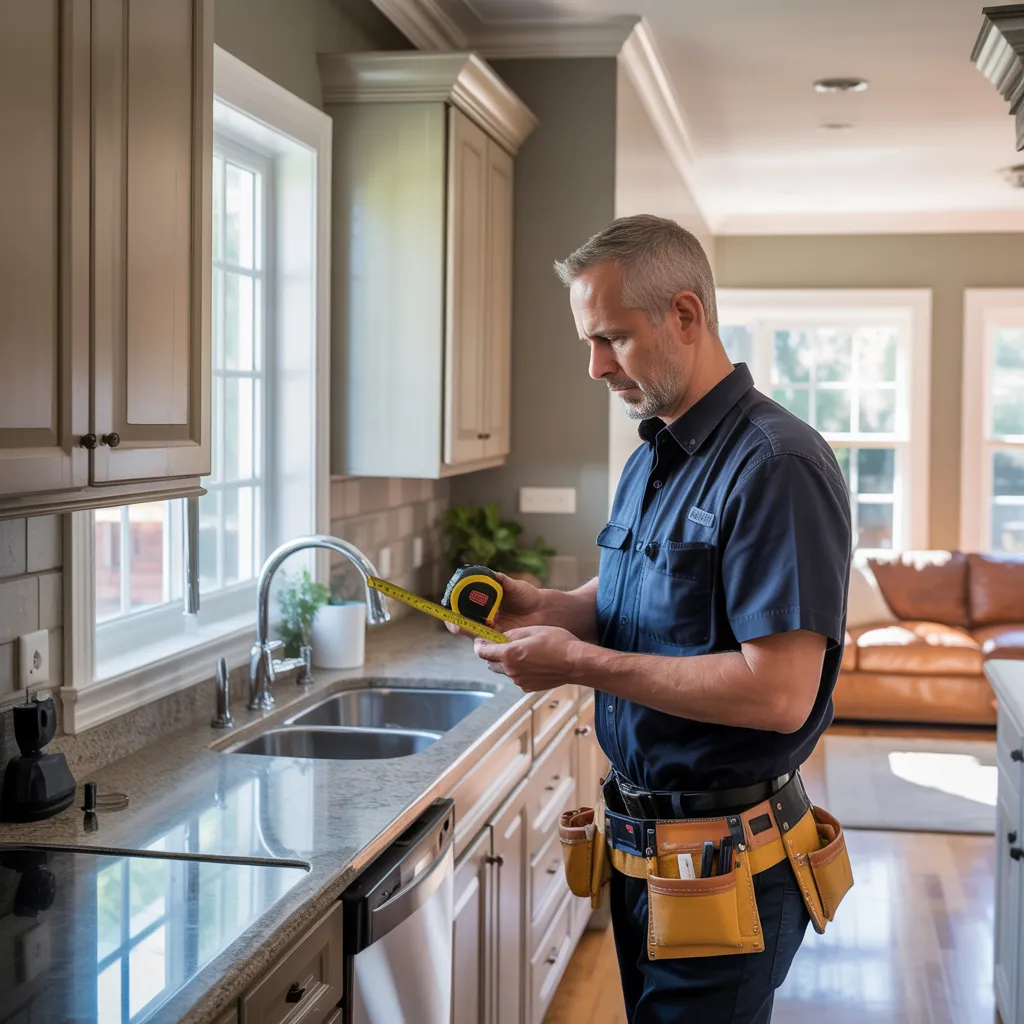
What to Search for in a Reliable General Contractor
When starting a home improvement project, how can one guarantee they choose a reliable general contractor? First, people should seek suggestions from loved ones, acquaintances, or web-based testimonials to find potential candidates. It is crucial to verify credentials, including licenses and insurance, ensuring the contractor meets local regulations. Next, reviewing past work through project galleries or client testimonials provides insights into the contractor's craftsmanship and reliability.
Additionally, securing several estimates can help you assess appropriate costs and project timelines. Communication skills are also necessary; a contractor needs to be welcoming similar information and attentive to inquiries. In addition, a solid contract laying out project requirements, schedules, and payment schedules shields both involved parties. Ultimately, go with your instincts; if a contractor appears unprofessional or imprecise, it may signal upcoming difficulties. By following these guidelines, homeowners can greatly increase their chances of engaging a trustworthy general contractor, leading to prosperous home improvements.
Why a Local General Contractor Is Your Ideal Choice
Selecting a local general contractor can greatly enhance the success of home improvement projects. Local contractors possess valuable familiarity of the area, involving construction regulations, ordinances, and zoning laws, ensuring compliance and optimization. Their developed ties with providers and subcontractors can lead to better pricing and timely access to materials and skilled labor.
Moreover, regional service providers often maintain a name to protect in the community, pushing them to produce high-quality work. This level of responsibility creates trust and confidence among residents.
Furthermore, locality supports faster communication and quicker turnaround times, which can be important during a project. Homeowners can also ask for suggestions from neighbors or friends who have engaged with in the past the contractor, delivering peace of mind. Overall, selecting a local general contractor not only supports the community but also improves the overall quality and experience of home improvement undertakings.
Your Complete Step-by-Step Handbook to Home Improvement
Starting a home renovation project demands thorough planning and implementation. Creating a work timeline is vital to guarantee that activities are finished promptly, while selecting high-quality supplies can significantly affect the project result. This guide will outline these important steps to assist homeowners manage their renovation journey effectively.
Creating Your Project Timeline
A detailed project timeline is crucial for effective home improvements, ensuring that every phase is carried out efficiently. To begin, homeowners should outline the project's scope, specifying clear goals and desired outcomes. Next, they should collaborate with their general contractor to agree on a realistic timeframe based on the project's complexity and required tasks. Breaking the project into smaller phases facilitates better tracking and adjustments as needed. It is also important to consider potential delays, such as weather conditions or supply chain issues, which may affect the schedule. Regular check-ins with the contractor can help ensure timely completion. Ultimately, a clear timeline fosters communication and sets expectations, leading to a smoother home improvement journey.
Evaluating Quality Resources
Emphasizing on quality goods substantially shapes the end result of home renovation projects. Initially, homeowners should identify the specific requirements of their project, weighing factors including durability, aesthetics, and budget. Looking into various material possibilities is crucial; this includes understanding the benefits and disadvantages of each. Engaging with consultants can provide meaningful guidance on reliable brands and sources.
Next, property owners should request samples to assess the appearance and texture of materials in person. Comparing prices across various suppliers can help guarantee competitive pricing without sacrificing quality. Finally, verifying that materials comply with local building codes is crucial for safety and compliance. By thoughtfully selecting materials, homeowners can enhance both the durability and visual appeal of their renovations, finally increasing the worth to their property.
Share Your Vision Like a Pro
Successful home enhancements often rely on the ability to express a precise vision. Homeowners should convey their thoughts, inclinations, and anticipations, ensuring that they convey their preferences proficiently to their general contractor. A well-defined vision not only facilitates in coordinating the contractor's plans with the homeowner's aims but also expedites the selection process.
Visual tools like sketches or mood boards can significantly improve dialogue. They offer a concrete visual that demonstrates aesthetic choices, palettes, and spatial arrangements. Furthermore, participating in transparent communication promotes teamwork, enabling the contractor to ask clarifying questions and provide insights.
Establishing realistic timeframes and budgets is equally important. Homeowners should prepare to discuss obstacles transparently to avoid misunderstandings later. In conclusion, conveying a vision with precision and confidence enables both parties, forging the way for accomplished project execution and gratifying results in residential improvement projects.
The Worth of Premium Materials and Craftsmanship
In residential renovations, the selection of long-lasting materials greatly impacts the durability and functionality of a project. Just as crucial is the role of expert workmanship, which ensures that these materials are utilized properly. Together, high-quality materials and skilled craftsmanship create outcomes that endure through the years.
Durable Material Choosing
A carefully picked range of durable materials can significantly shape the longevity and appearance of home improvements. Quality materials not only elevate the look of a space but also guarantee that renovations survive the test of time. Homeowners should emphasize materials with established resilience, such as hardwood, stone, and high-grade metals, which resist wear and tear and environmental damage. Additionally, picking materials suited to the local climate can eliminate issues like rot or corrosion. Spending in durable options may require a higher upfront cost, but the long-term benefits—fewer repairs and replacements—make it a smart choice. Ultimately, the right materials add to a home's value and overall satisfaction for years to come.
Skilled Craftsmanship: Its Value
Quality skilled labor plays an essential role in the success of residential renovations, working with the selection of durable materials. Professional craftspeople assure that every aspect of a project is executed with precision, boosting both practical use and aesthetics. Detailed focus in construction, from framing to finishing touches, plays a major role to the extended life and performance of home features. Quality workmanship not only indicates a commitment to excellence but also shields from future issues, such as structural problems or design imperfections. Additionally, seasoned builders know the nuances of various materials, ensuring they are put to use effectively. Ultimately, paying for skilled skilled labor leads to a more pleasing and enduring result, raising the overall market worth of the home and the homeowner's experience.
Standard Refurbishment Problems and How to Circumvent Them
Numerous property owners encounter pitfalls during renovations that can result in costly setbacks and disappointment. A frequent mistake involves underestimating the costs. In the absence of a thorough financial strategy, unanticipated expenses can arise swiftly, threatening the project. Furthermore, omitting to acquire essential licenses may cause penalties and work interruptions, making the remodeling process more difficult.
Hurrying the decision-making process is another common mistake. Quick choices concerning design and layout can result in disappointment later on. Property owners often fail to recognize the significance of hiring qualified experts, which can undermine the work quality and standards for safety.
At last, poor dialogue with contractors can produce confusion and letdowns. To avert these problems, homeowners should highlight meticulous planning, acquire the necessary paperwork, engage experienced specialists, and maintain constant communication throughout the renovation project. By addressing these prevalent mistakes, homeowners can ensure a more pleasant and efficient renovation result.
How to Choose the Right Materials for Your Remodel?
How can homeowners ensure they choose the appropriate products for their renovation projects? Initially, they should evaluate the particular requirements of the space, considering factors such as performance, aesthetics, and durability. Investigating various materials is crucial; property owners should analyze options based on their appropriateness for the intended use and local climate conditions.
Collaborating with a reputable construction expert can furnish valuable insights into material choices, confirming that decisions adhere to both cost limits and design aspirations. Likewise, homeowners should champion sustainability by reviewing eco-friendly materials that lower ecological consequences.
Ultimately, examining specimens can aid in making informed decisions, enabling homeowners to visualize how materials will look and feel in their space. By adhering to these guidelines, homeowners can confidently choose products that enhance their renovation while ensuring durability and lasting value.
Frequently Posed Queries
How Can I confirm a Contractor's Licenses and Insurance?
To validate a contractor's licenses and insurance, one can examine state regulatory agencies and insurers. Furthermore, obtaining copies of licenses and insurance certificates from the contractor directly guarantees authenticity and compliance with regulations.
What Represents the Common Work Timeline for Home Improvement Undertakings?
The common duration for home improvement projects varies, often stretching from a few weeks to several months, depending on how complex the project is, size, and required permits. Collaboration with the contractor can help develop a more accurate schedule.
Can I Stay in My Home Throughout the Renovation Process?
Yes, a person can live in a home during restoration work, though it often is contingent on the project's scope. Limited renovations may enable continued habitation, while substantial work might demand temporary moving for safety and comfort.
What Payment Options Are Usually Accepted by Contractors?
Contractors generally accept a variety of payment methods, encompassing cash, checks, credit cards, and digital payment platforms. Some may also provide financing programs, giving clients flexibility in managing renovation costs and payment schedules.
How Do I Handle Conflicts With My Building Professional?
To deal with conflicts with a contractor, one should communicate in clear terms, document each transaction, and find resolution through mutual negotiation. If continues unaddressed, dispute resolution or judicial action may be mandatory to protect one's rights appropriately.